I queried the same novel twice.


Here’s how to only do it once.


It’s that time again. With every new year, us writers lean hard into our resolutions. If you’re reading this, I’m sure at least a few of you have a goal to query a book in 2026.
Maybe you’ve heard tales of horrors from the querying trenches from other authors. Or maybe you’ve already experienced that cement mixer of churned fear and excitement as you stare into the endless void of soft blue boxes and red frowning faces.

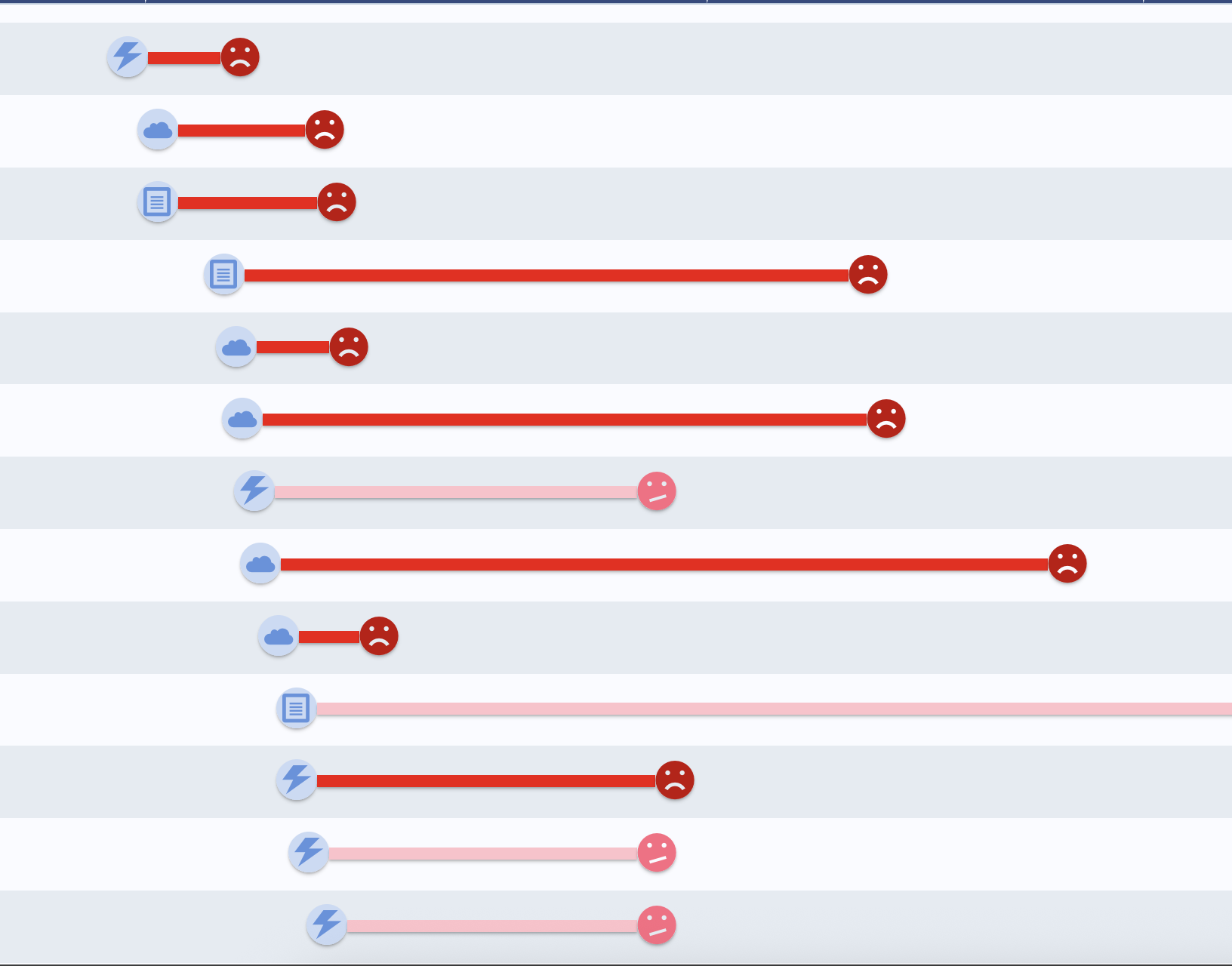
I wouldn’t say I’m a querying expert by any means. But having done it twice with the same novel, I’ve had a unique opportunity to see both sides of the coin.
I’ve received rejection after rejection, with no solid feedback, and was left feeling confused and dejected. I’ve also queried with an utter sense of peace. I knew I had done all I could do, and it led me to receive multiple requests very quickly, and I wound up finding my dream agent within just two weeks of querying.
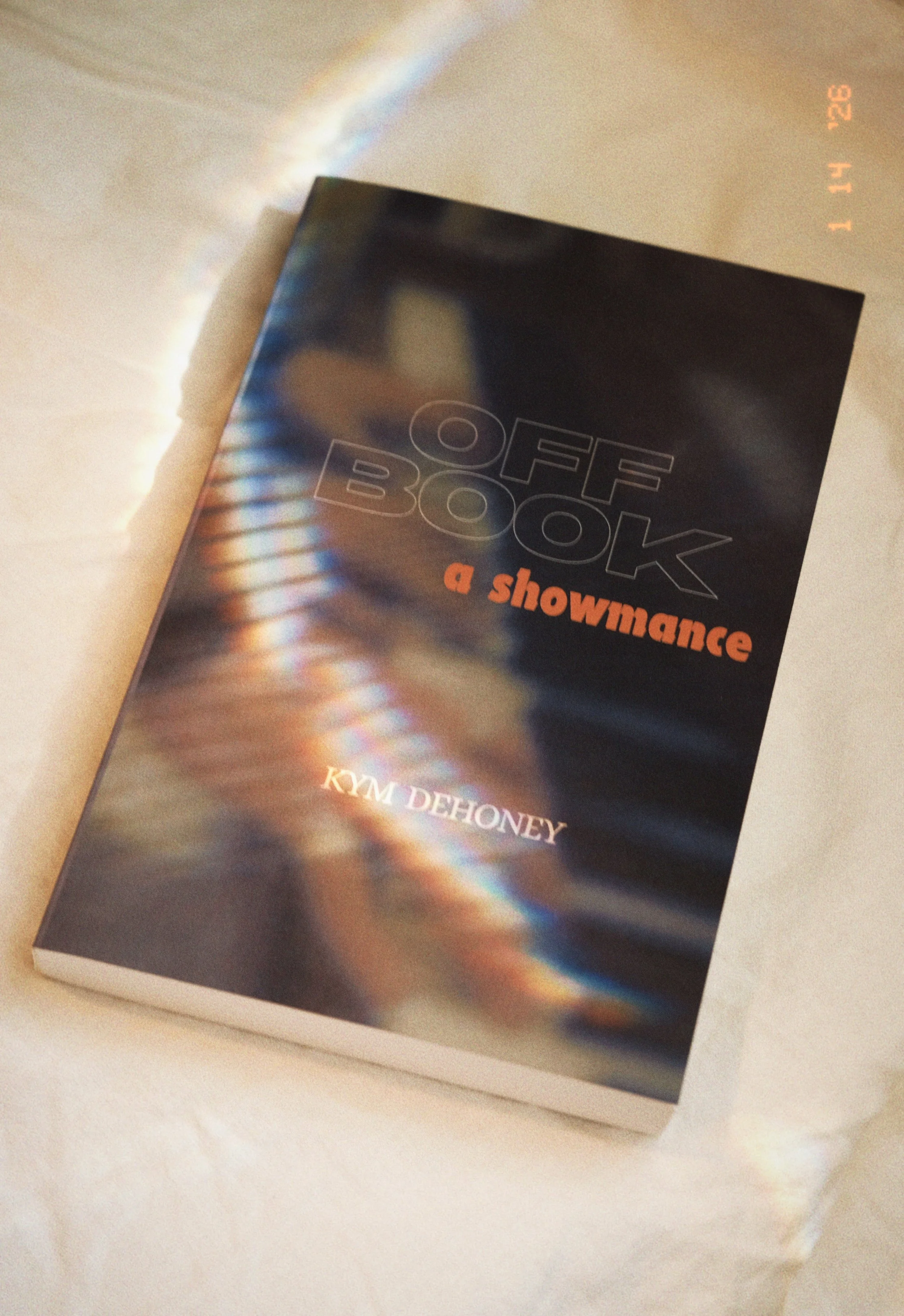
Something I heard a lot at the beginning of my journey was that “most authors query before they’re ready.” And while that proved to be true (at least in my case), I never found that advice to be very helpful. I mean, what does “ready” even mean?! I took the extra time before my first attempt in the trenches. I did all the things they tell you to do. I had multiple rounds of beta readers, I asked friends and critique partners to review my letter. Everything I presented came back with glowing reviews all around.
But after six months and no bites, something wasn’t working, I just couldn’t figure out what. I started getting conflicting feedback, or feedback that danced around the problem, but was never able to identify it.
So then, what did I end up doing differently? Well, I hired an editor.
I’ve spoken about my experience working with the incomparable Gina Denny over on my Tik-tok, which you can check out here. After looking over my pitch package, Gina uncovered an issue in my pages that led me to withdraw my outstanding queries in early 2025, and I spent the next EIGHT MONTHS revising my manuscript before reentering the trenches and ultimately signing with my agent.
Now, do I think you HAVE to hire an editor to query successfully? Not at all. That’s partially what inspired me to write this piece. I’m privileged that I was able to utilize Gina’s services, and I 1000% recommend her, but not everyone has that as an option.
I did, however, learn a TON in the process. So hopefully by sharing my experience you can do better than I did, and only have to do this whole song and dance once.

Five ways to clean up your query:
Without further ado, here are
1.Trim down your letter
The recommended query letter word count 200-500 words. But, in my experience, 300 is the sweet spot. I think mine came in around 350.
“But KYM, how can I explain what my story is about in that few words!?” Trust me, I know. I too, cannot stfu. So if I can do it, so can you.
Try to focus on the story’s core and stakes. Who is your protagonist? What do they want? What is standing in their way? What must they do to get it? What happens if they fail? Leave the rest.
This is also a good litmus test to see if you can pitch your book clearly in a quick, marketable way. Instead of trying to squeeze everything in, see what you can strip out, until all that’s left is your pitch and a brief synopsis of the stakes.
2. Use your voice
Let me be clear, your query is not your pages. Your synopsis is not your pages. Let your pages speak for themselves. That’s where your voice, tone, and writing style will shine. Do not misconstrue this as an excuse to add more words to your materials.
HOWEVER, one thing I overwhelmingly received positive feedback on was the way I strategically used genre reflective language in my query & synopsis. Doing this signals right away that you understand your audience and market.
So what does that look like? As a quick example, in my letter I needed to describe how the characters drunkenly hook up and fall into a friends with benefits situation. I could’ve written that sentiment just like that, very clinical. But instead, I opted for more romantic language that was both concise, and evocative:
“Under the influence of a heated reunion, rekindled friendship leads to benefits, though Olivia insists it should remain a one-time encounter.”
This explains the situation, a bit of the conflict, and subtly demonstrates the voice of the book without being overly flowery. Remember, you only have 300 words. So pick them carefully.
3. Ditch the B story
Raise your hand if you’ve been personally victimized by writing a synopsis. Asking someone to fit their ENTIRE story fit into two pages is honestly cruel and unusual.
I really struggled with my synopsis due to my A and B stories being very much intertwined. (Said every writer ever lol) The biggest thing that helped the process click for me was reminding myself that synopses are all plot, no vibes.
“A happens, which causes B, and therefore C.” No frills, no feelings, and it should focus primarily on that A story.
My book is a romance, so my synopsis narrowed in on the events that inform the love story. What brings the characters together? What is keeping them apart? What events drive them forward, and how will it all come together in the end?
Obviously there are elements of the B story that will affect these events (In my case the love interests are working together on a common external goal with it’s own set of consequences) You can mention the things that intersect when absolutely necessary, but be mindful of over-explaining extraneous circumstances, characters, and settings outside of the central plot.
4. Ensure the tone of your letter is reflected in your pages
Okay. This is a big one, and this is the root of the problem in my own manuscript that led me to The Great Revision of 2025. BUT, I’ve also noticed this more than once when reading letters for friends. It’s more common than you might think.
My original query letter was selling a fun romcom, but my previous pages opened with my FMC fighting with her toxic ex. And not in a cutesy, throw everything he owns out the window sort of way. My pages were heavy, and that didn’t scream romcom. Romcoms can 100% have characters who are struggling with heavy situations, trauma, or that explore deeper themes. But is that really what you want the first impression of your story to be?
Imagine if a YA novel opened with a slew of profanity. Or a gothic horror with the first scene set in Disneyland. Those opening pages establish the tone for the rest of your manuscript. You have to ask yourself what your story is actually about at its core, and make sure that is present on the page as we get to know the characters. For me, I had to ask myself if my book was a story of a woman leaving her toxic ex? Or a romcom about two friends falling in love? And if your letter and pages are selling two different things, agents will pass, even if the writing is good.
5. Confirm that your story starts in the right place
Piggy-backing off the previous bullet point, this is a classic piece of feedback/advice you hear tossed around writing spaces. Not only did I do this myself, but I’ve read several manuscripts that have fallen victim to this pitfall as well.
There are a lot of ways this might be happening. In my case, I opened my story right in the action, so much so that it was disorienting to the reader. But you’ve probably heard to avoid prologues, or flashbacks in opening pages, and the reasoning is often the same. It’s disorienting. When you meet a new person, do they immediately tell you their whole life story? Hopefully not. Same thing applies here. Learning a mass amount of backstory about a character who we don’t know yet doesn’t ground readers in the story.
Your opening pages should provide an image of who the character is before they are inevitably changed by the story’s events. How you do that is going to vary based on your situation, but in my experience, it’s difficult to establish a sense of time, place, voice, inner driving forces, and all the other essential elements that should be in your first pages when you’re bogged down with backstory.
If you feel the need to constantly back up and explain, maybe the story should begin earlier. If you feel the need to jump forward in time, maybe you should just start there. Either way, your opening pages should inform the reader who your character is, what their “normal” looks like, and hint at the stories theme or greater arc.

Sami says, “IDK, sounds easy to me.”
Read the query letter that got me an agent in two weeks

I hope that helps! Happy writing!
Much love,
-KD
Want your query letter critiqued for free?
Getting feedback on my query letter was imperative to my success, and I’d love to pay it forward. This month I’ll be giving away 3 free query critiques! If you’d like to have your query letter reviewed by yours truly, please submit by 2/14/26. Winners will be chosen at random and emailed directly by 2/20/26!
Can’t wait to read! ☺️